
- Year: 2024
- Location: Patras, Greece
- Size: 270 m2
- Status: Construction
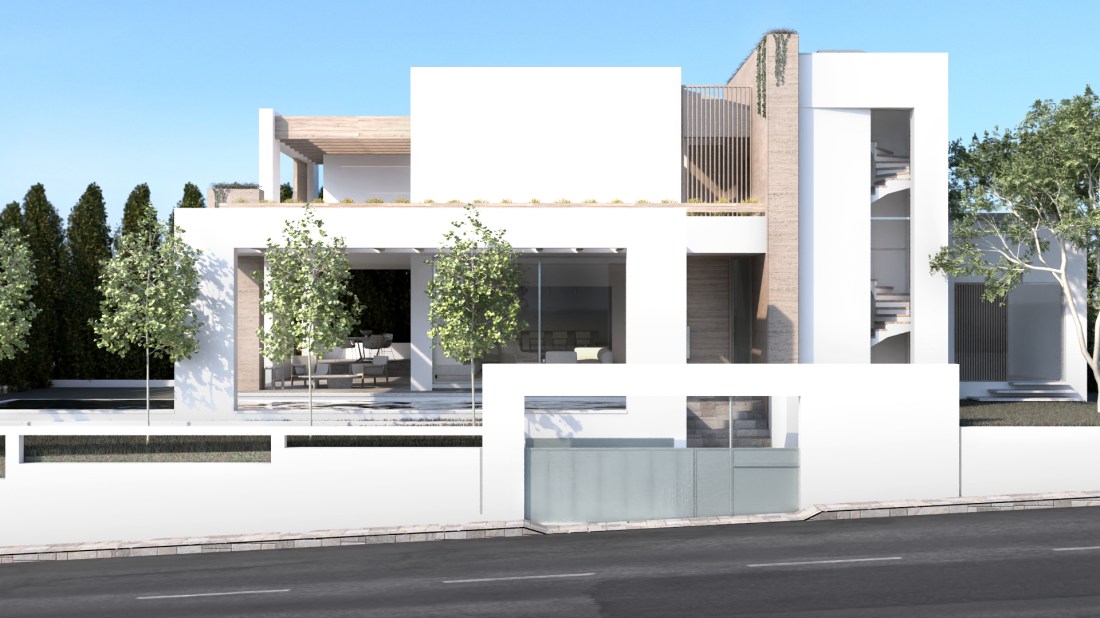
This four-bedroom family house sits above the findings of an archaeological excavation that took place on the site and revealed remnants of a proto-Hellenic settlement that stretches along the area. After the removal of important artifacts, the site was emptied except for a large 60cm loadbearing wall, which probably was part of an important building of the settlement, and transverses the site across the North-South axis perpendicular to the street. This ancient wall, despite the fact that was covered again and buried beneath the new building’s foundations, was not completely lost in time but its geometry was echoed in the design of the house, through the use of a 7-meter-tall stone wall which is juxtaposed directly above it.
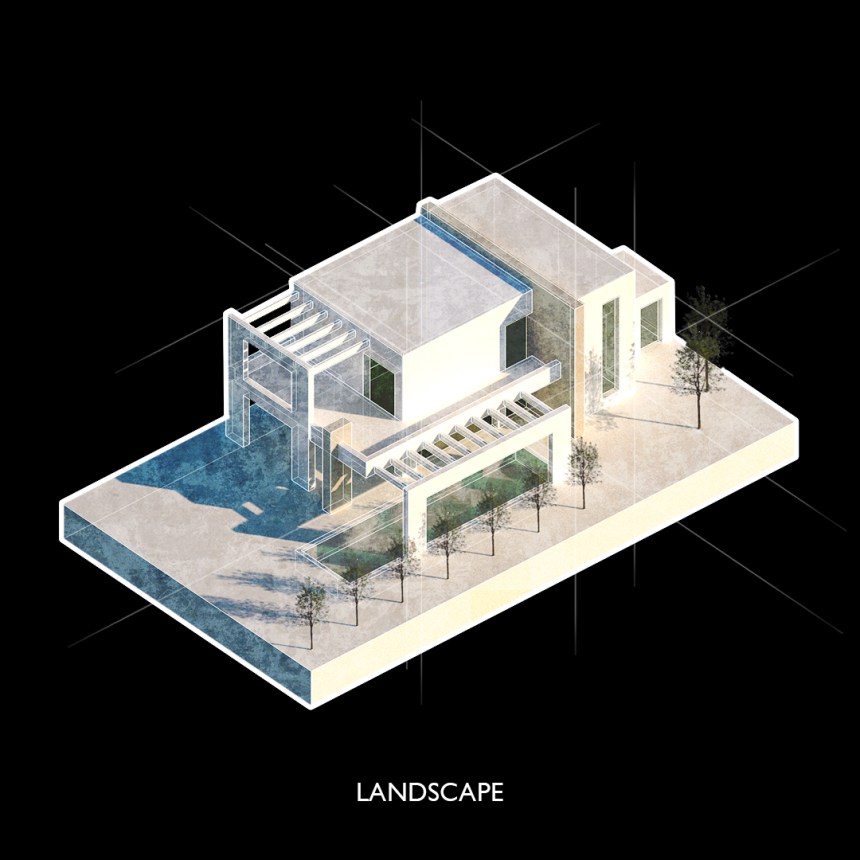
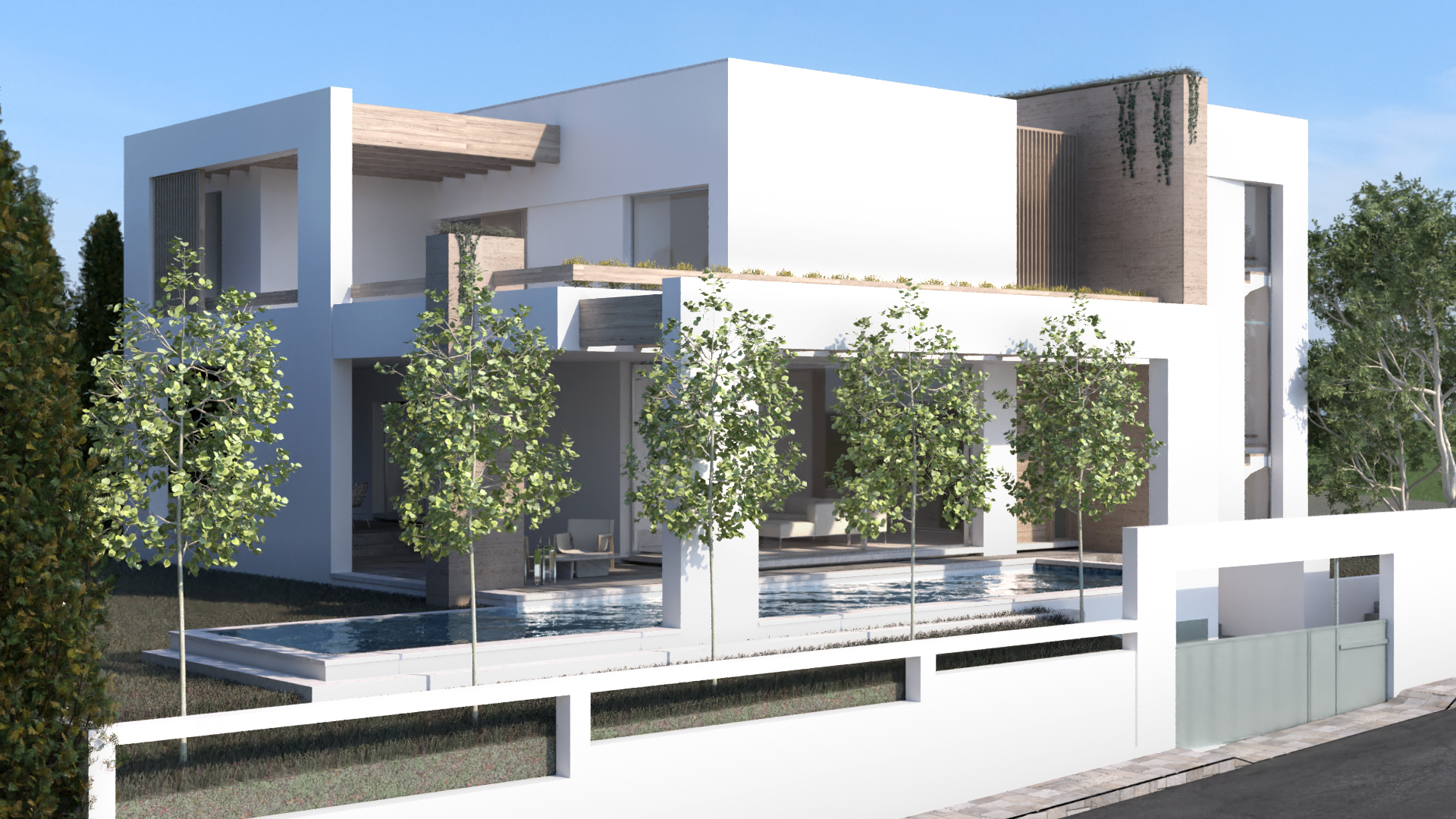
The new wall then becomes the main organizational gesture for the new home as it is used to divide the building into what Louis Kahn would describe as the servant and served areas. Therefore, the kitchen, the storage, the stairs and the guest house are grouped at the east part of the site, while the living room, the dining room the pool and the veranda on the west. The wall in between acts as a semi-transparent notional barrier between the two zones on the interior and as a rigid architectural element which divides the form in two parts according to function on the exterior.
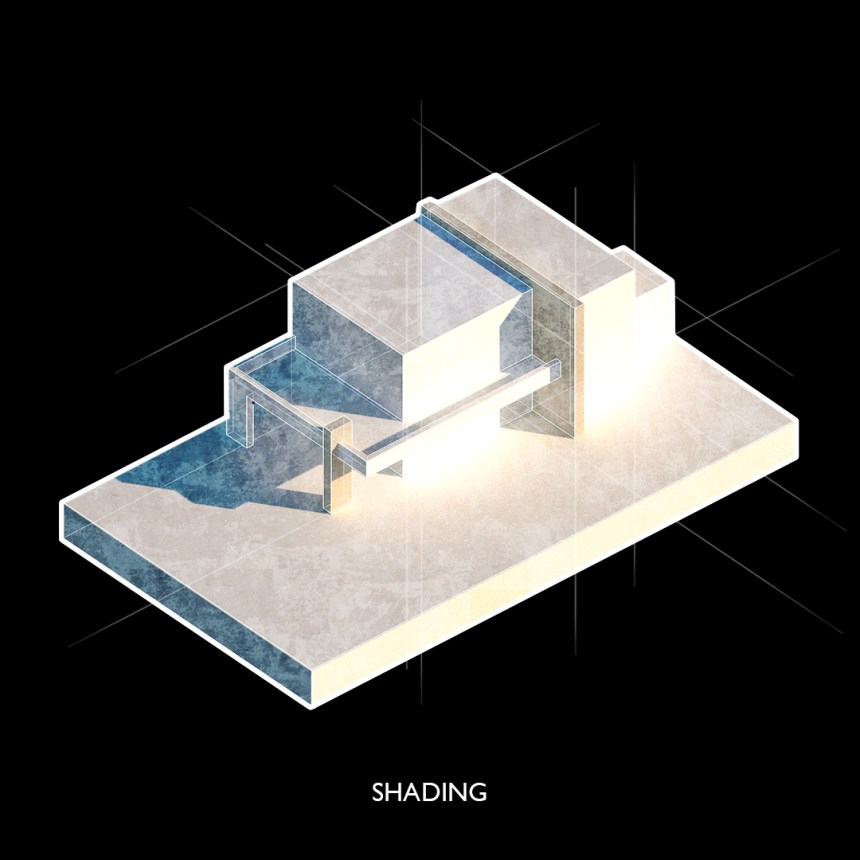
This arrangement apart from being a useful functional tool, also aids the building in its energy performance, as it keeps the living spaces sheltered from direct sunlight until the afternoon, controlling thermal gains. Along with a very rigorous study of shading devices and insulation, the energy consumption is passively reduced to the minimum. Finally, taking into account the geothermal heat pump which provides both heating and cooling and the addition of solar panels on the roof terrace, the building is more than capable of covering its energy demand in full, becoming a zero energy house.







 Gerasimos M. Mataragas
You must be logged in to post a comment.